Original: $15.99
-70%$15.99
$4.80The Story
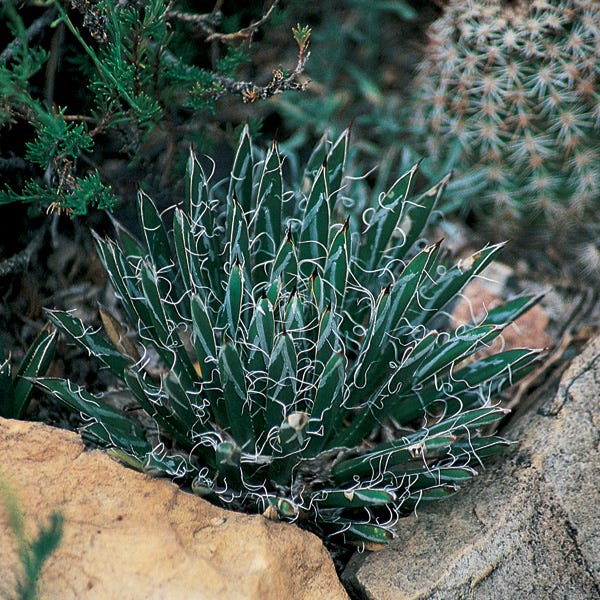
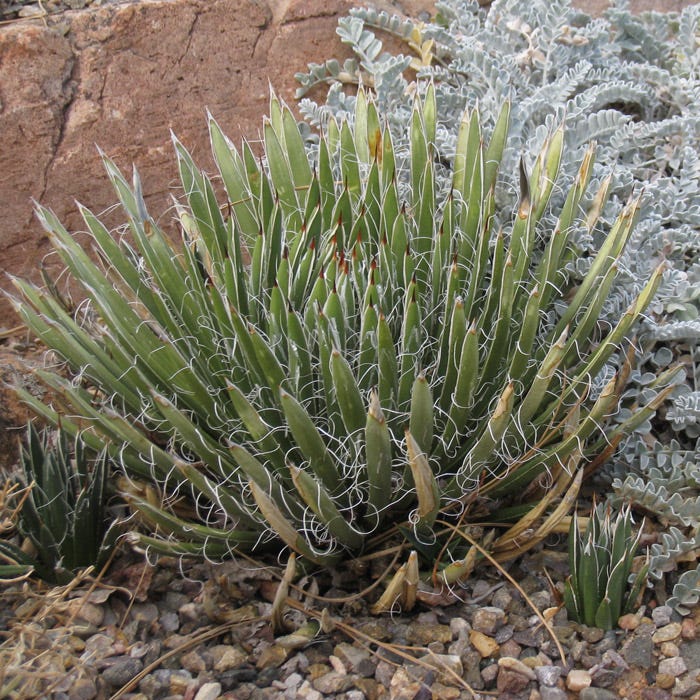
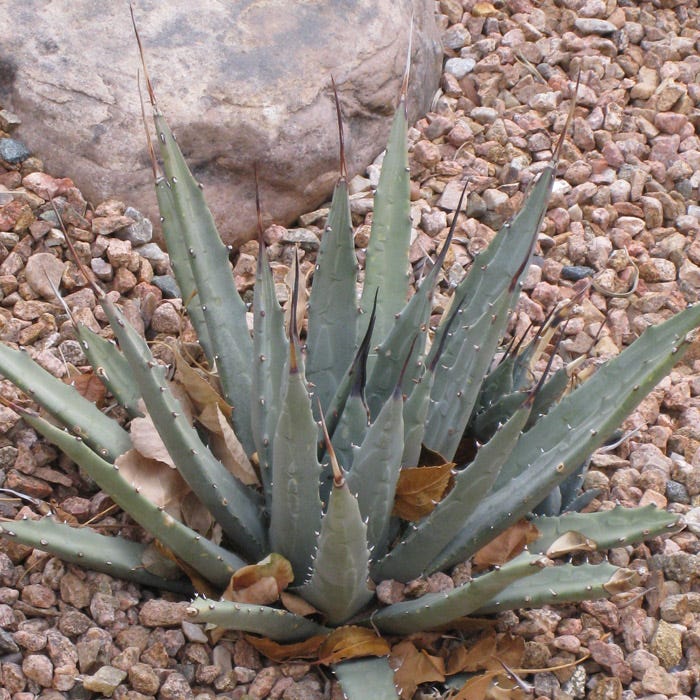
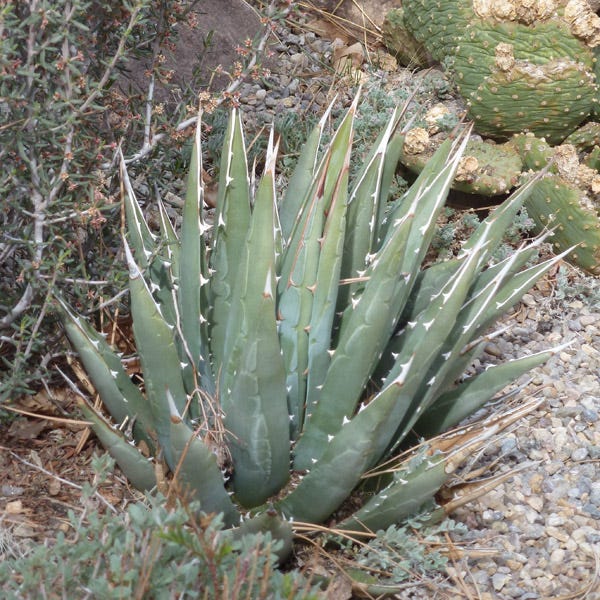
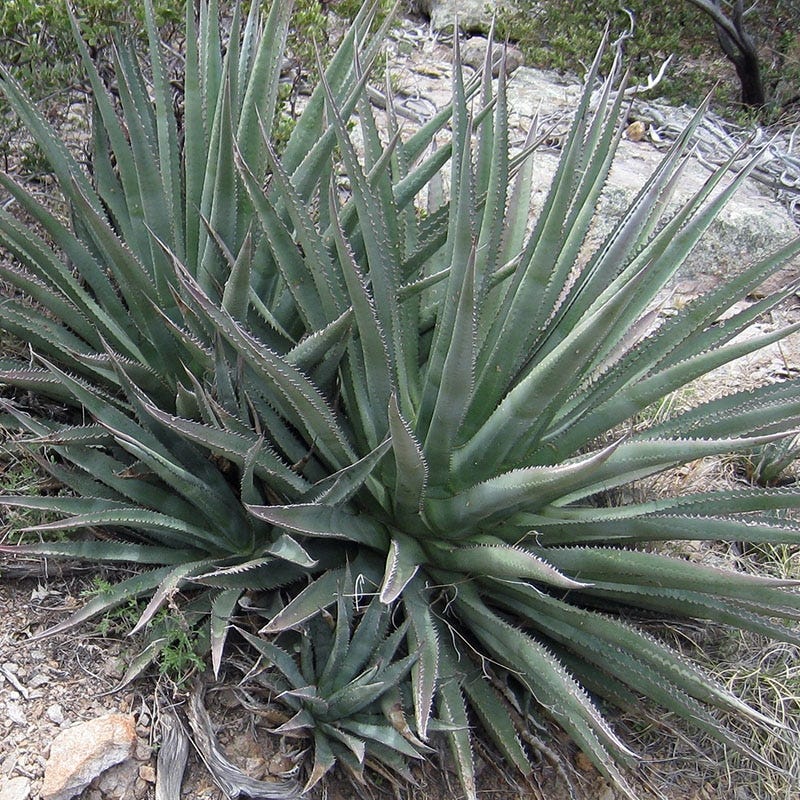
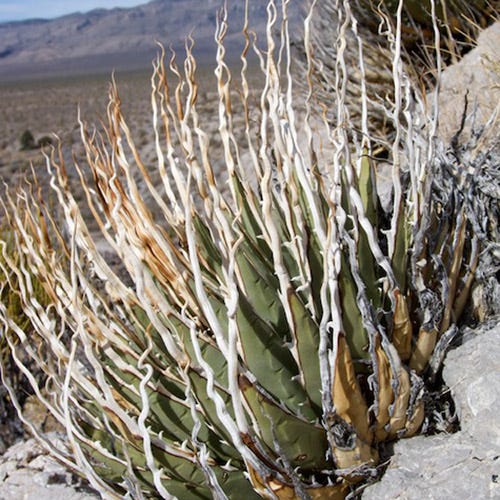
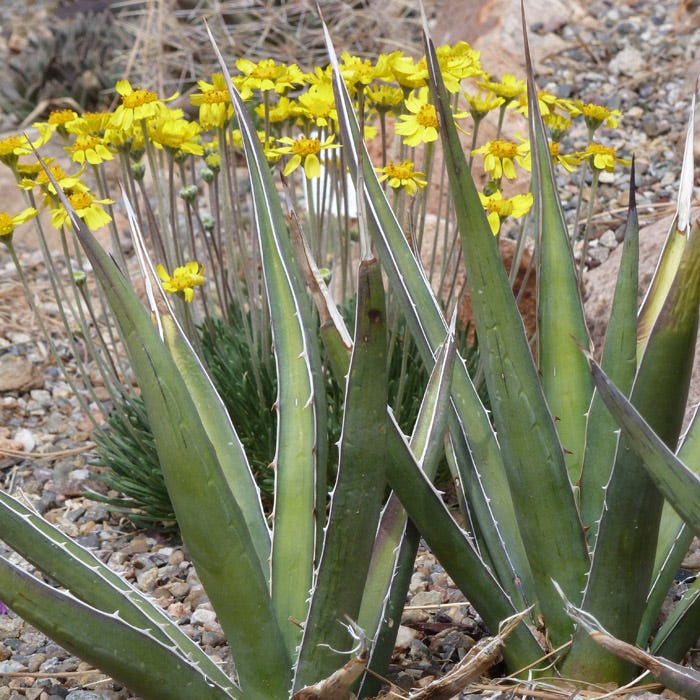
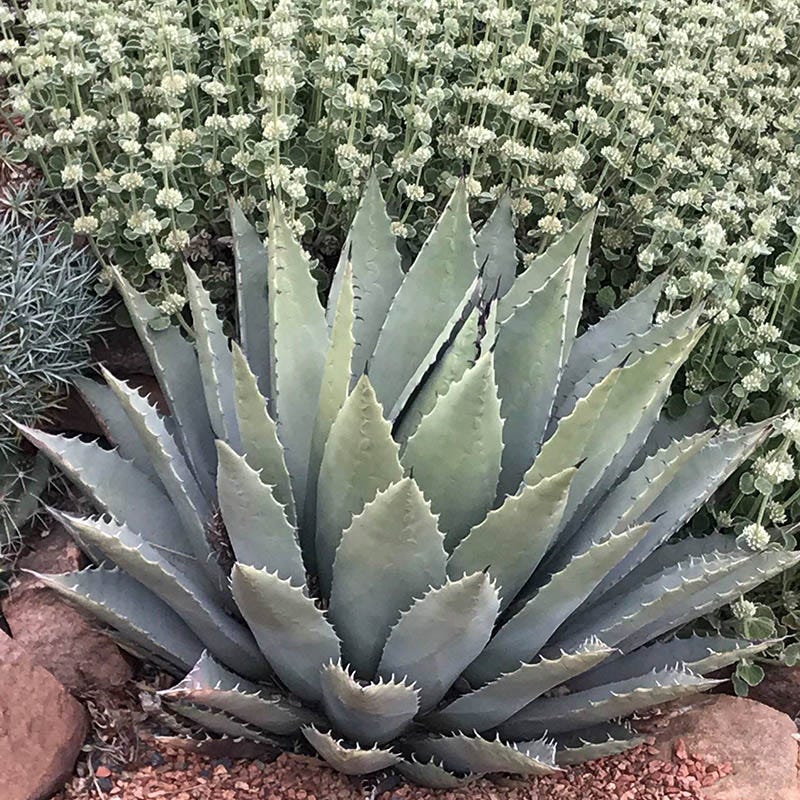
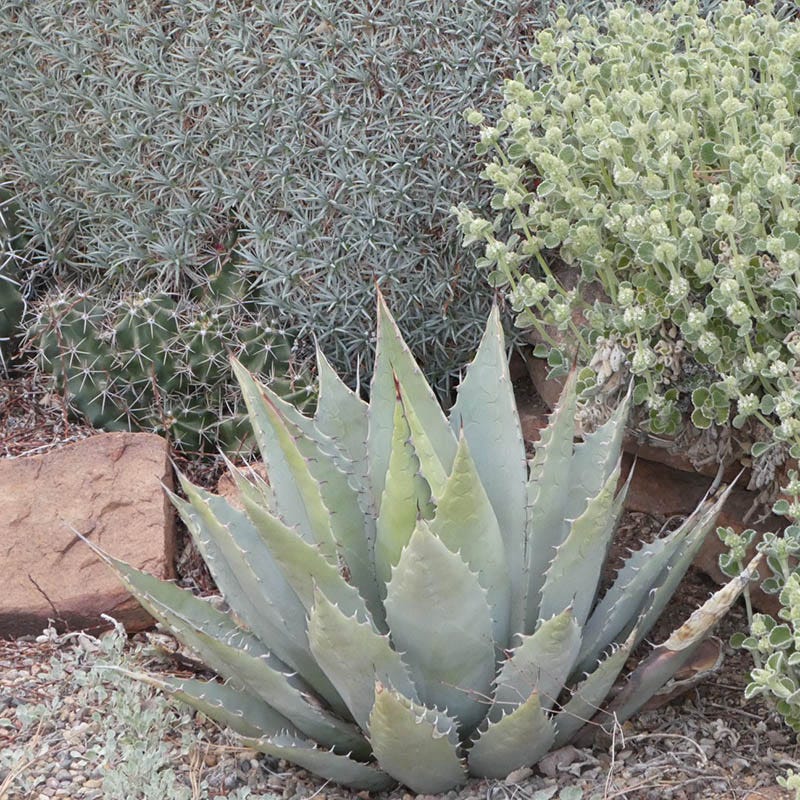
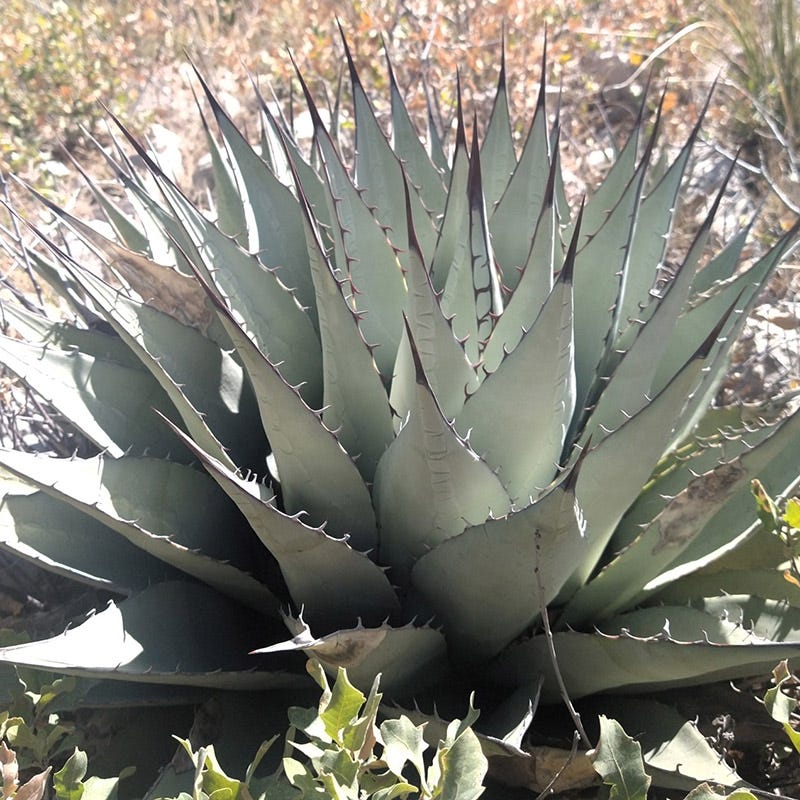
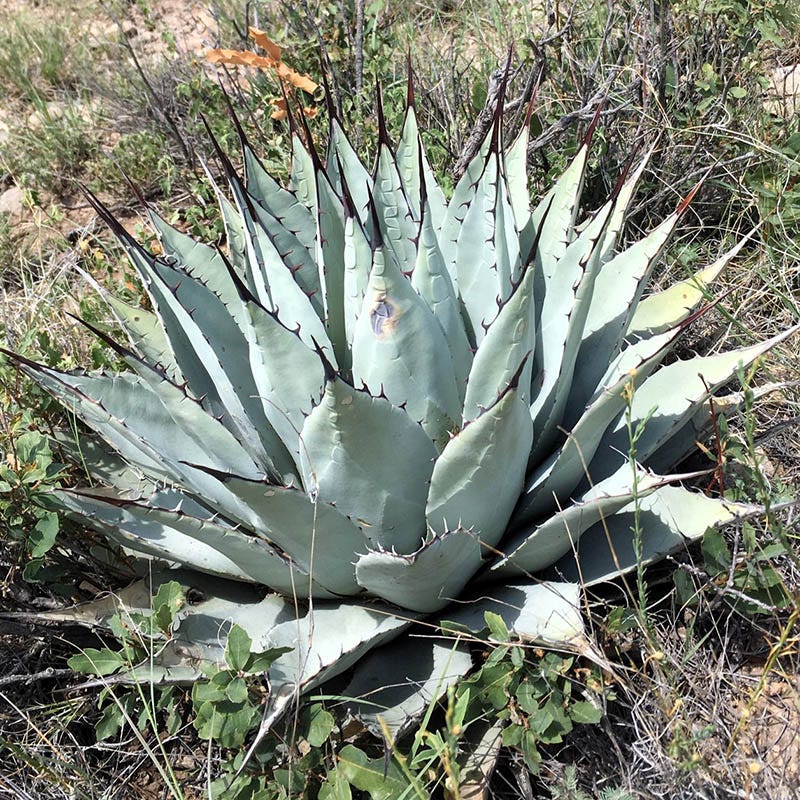
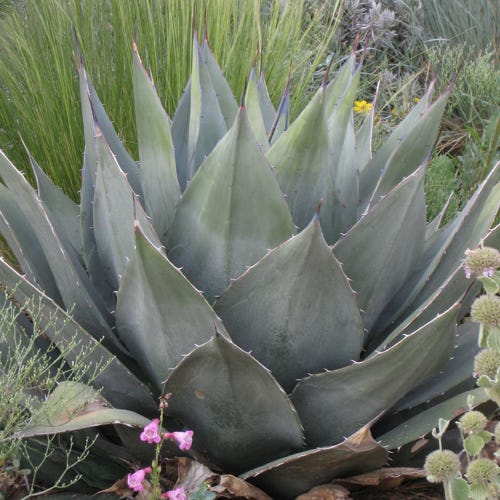
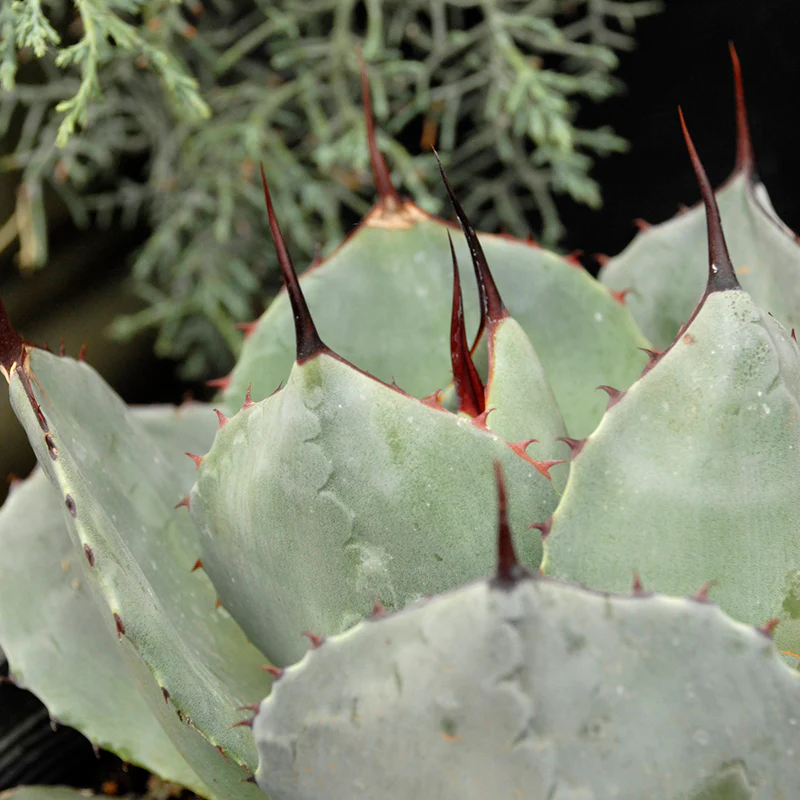
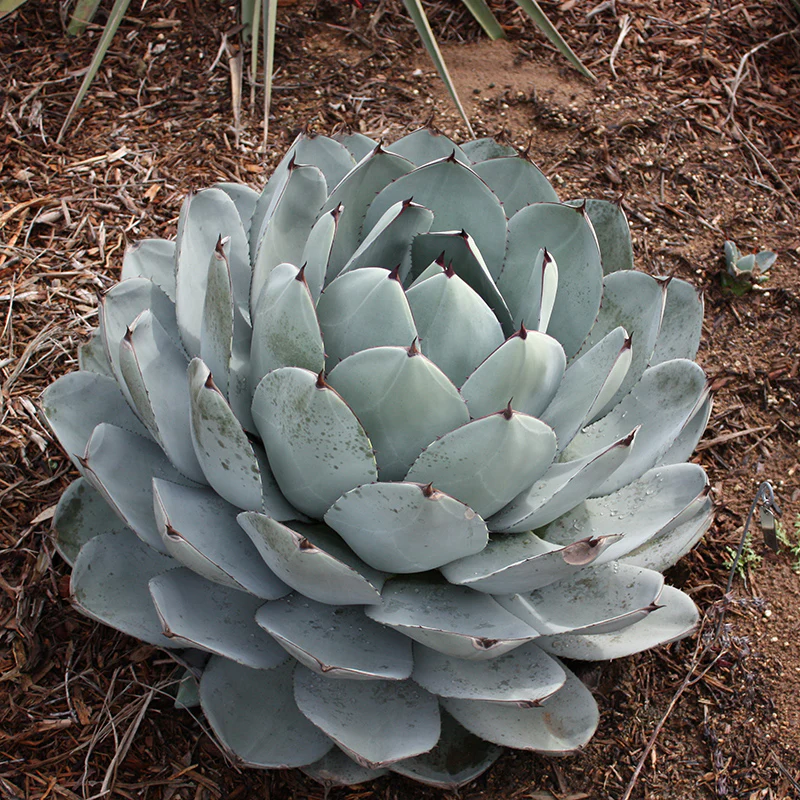
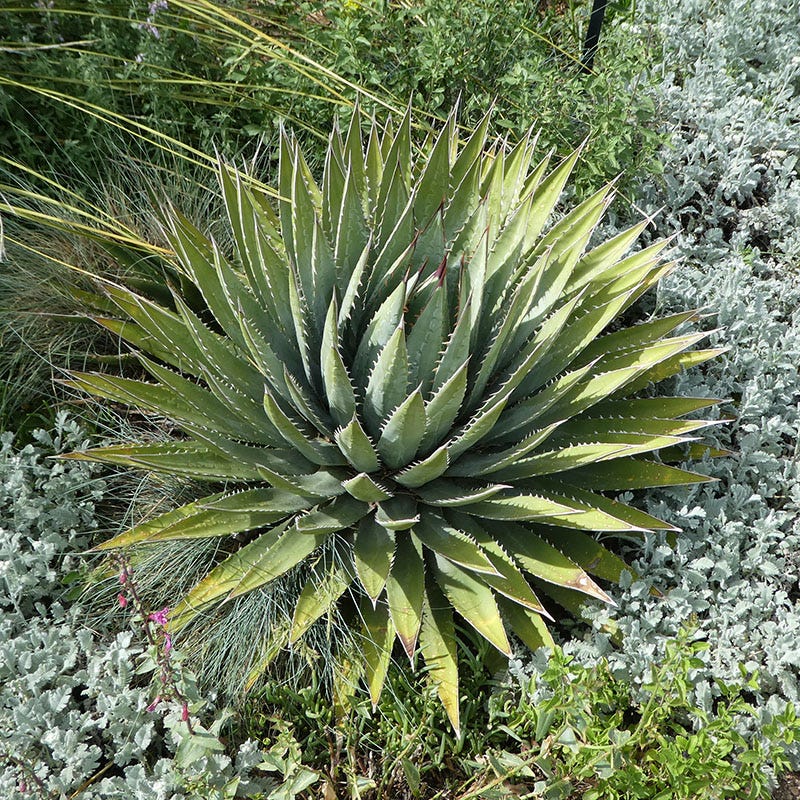
With an elegant compact form, Utah Century Plant (Agave utahensis) adds year-round texture and interest to low-water gardens. Seed for this crop of Agave utahensis was collected in Washington County, Utah at an elevation of 5,000 ft. Winner of the Royal Horticultural Society Award of Garden Merit.
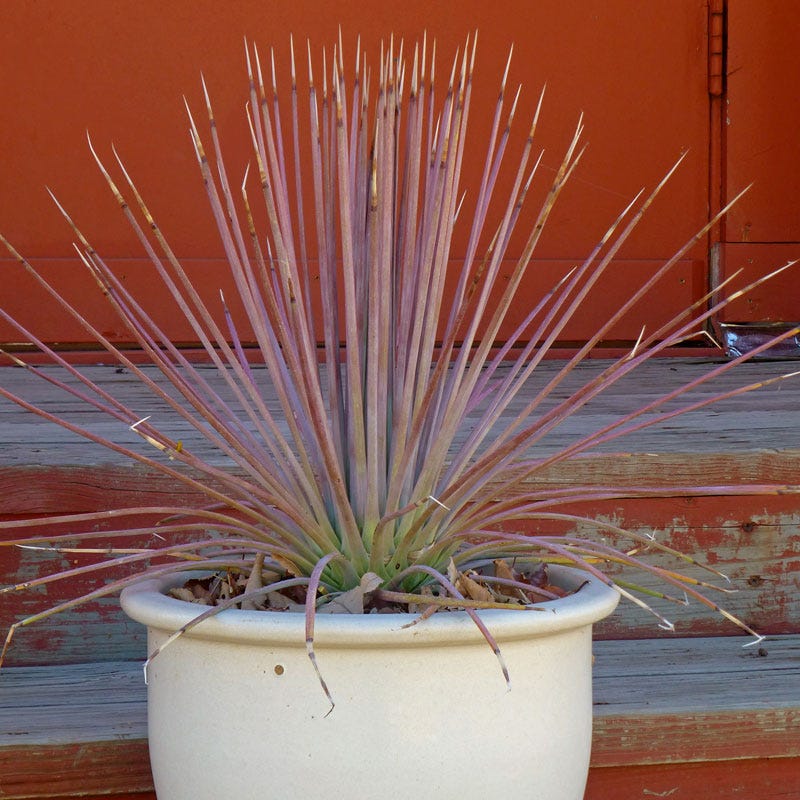
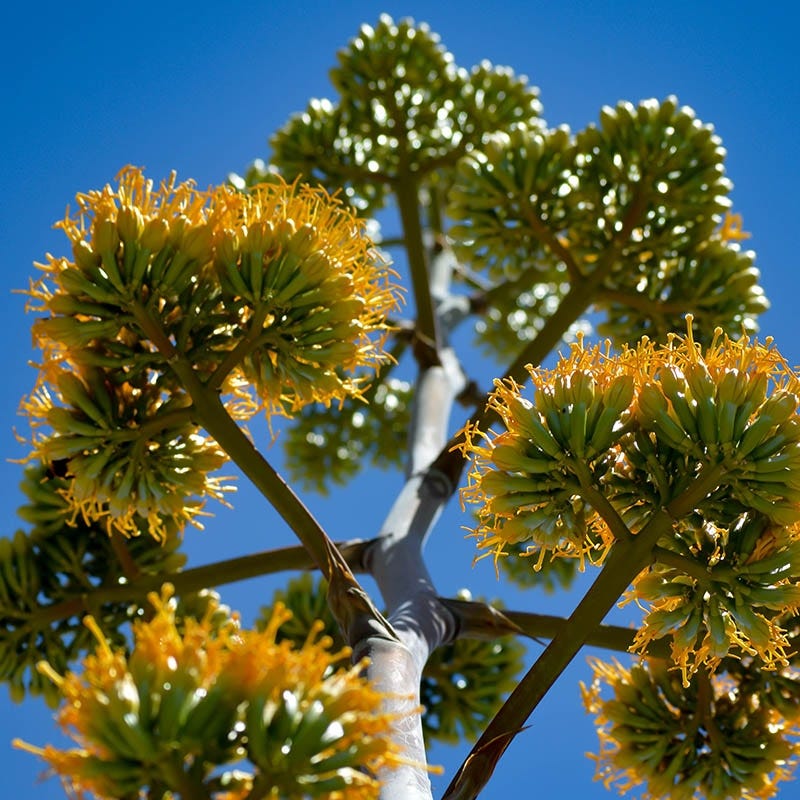
Good for rock gardens, containers, and xeriscapes, Utah Century Plant requires well-drained rocky or sandy soils in full sun or part shade; avoid clay or rich, water-retentive loam soils. Though it is cold tolerant, it is not tolerant of much moisture or wet winters. Avoid planting near walkways or play areas where people or pets may bump into the plant’s spines. Native to the Southwestern deserts, including Utah as well as California, Arizona, and Nevada. Flowers will attract hummingbirds.
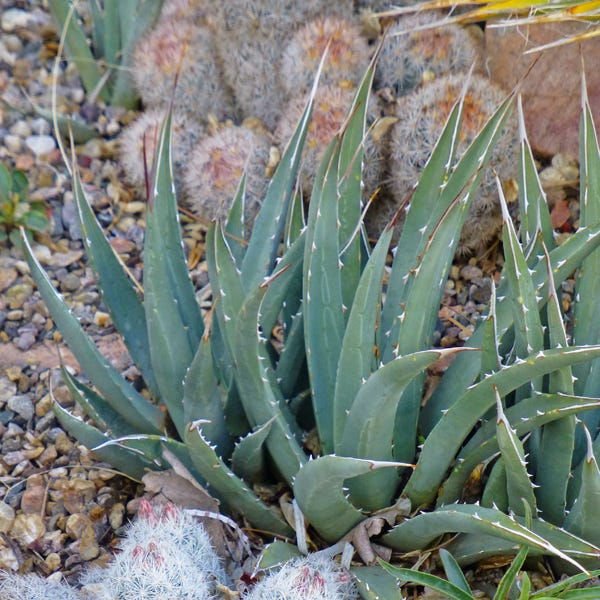
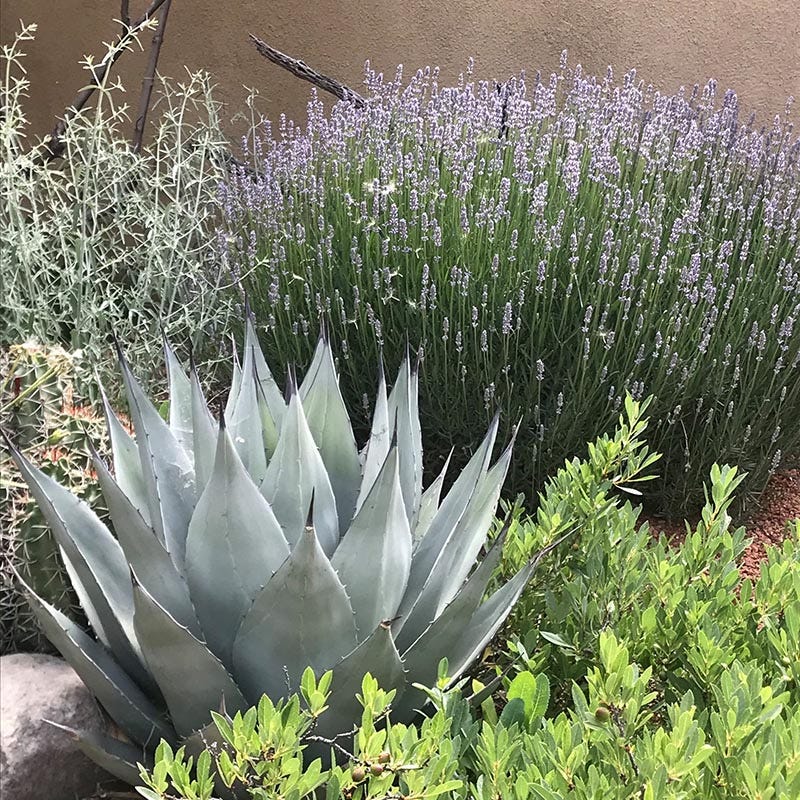
Other xeric plants that make good companions for the Utah Century plant include cold hardy cacti, small growing Penstemon (Beardtongue), ‘Wee One’ (Dwarf English Lavender), and Teucrium aroanum (Gray Creeping Germander).
Description
With an elegant compact form, Utah Century Plant (Agave utahensis) adds year-round texture and interest to low-water gardens. Seed for this crop of Agave utahensis was collected in Washington County, Utah at an elevation of 5,000 ft. Winner of the Royal Horticultural Society Award of Garden Merit.
Good for rock gardens, containers, and xeriscapes, Utah Century Plant requires well-drained rocky or sandy soils in full sun or part shade; avoid clay or rich, water-retentive loam soils. Though it is cold tolerant, it is not tolerant of much moisture or wet winters. Avoid planting near walkways or play areas where people or pets may bump into the plant’s spines. Native to the Southwestern deserts, including Utah as well as California, Arizona, and Nevada. Flowers will attract hummingbirds.
Other xeric plants that make good companions for the Utah Century plant include cold hardy cacti, small growing Penstemon (Beardtongue), ‘Wee One’ (Dwarf English Lavender), and Teucrium aroanum (Gray Creeping Germander).